
How to Declutter Your Home: A Room-by-Room Guide
Start with one drawer, not the whole house. A calm, practical plan for clearing space — and keeping it clear.
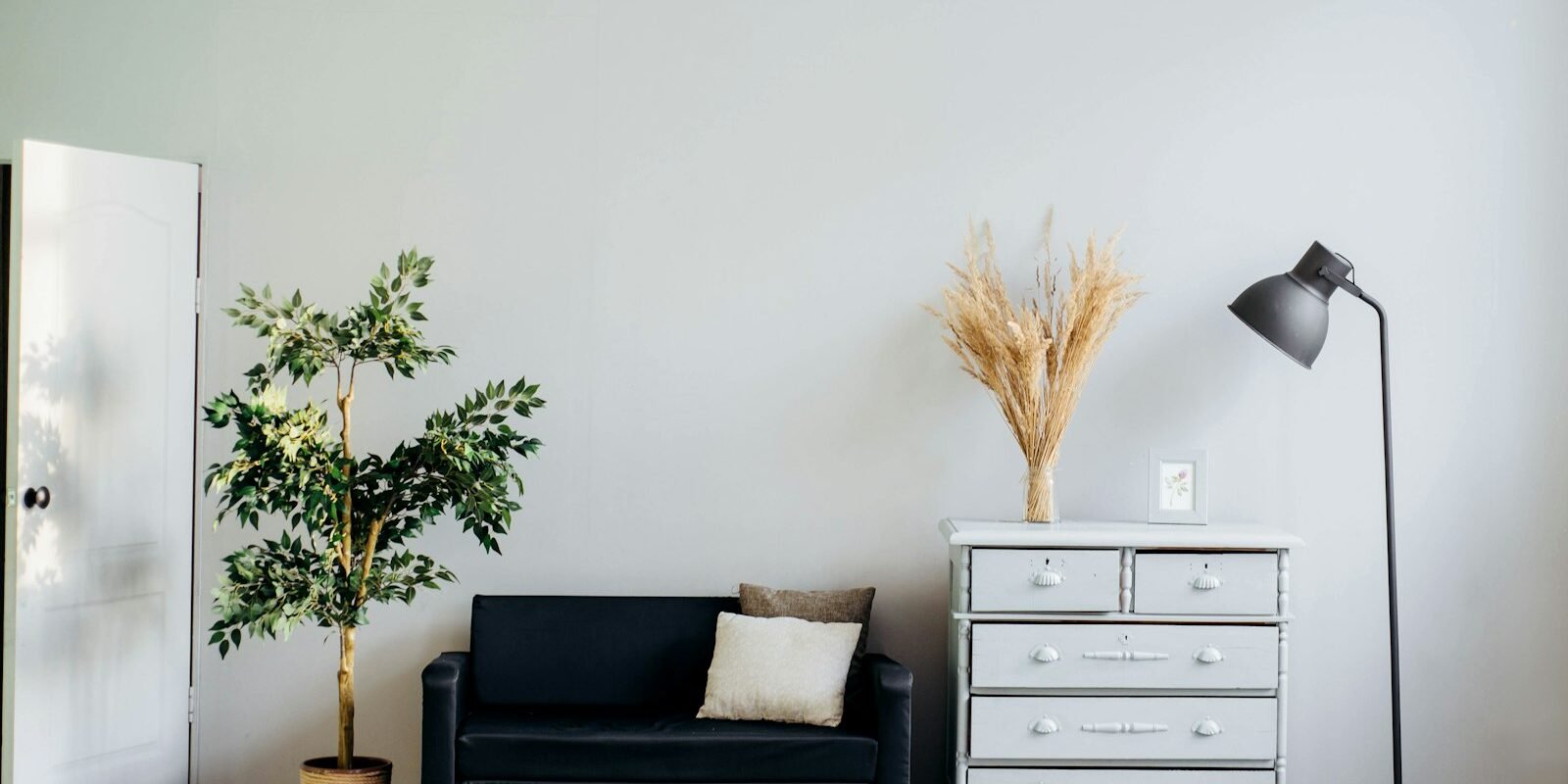
To declutter your home, start small — one drawer, one shelf or one corner — and sort everything into four groups: keep, donate or sell, recycle or bin, and relocate. Work room by room, starting with the easiest spaces, and set short sessions of 15 to 30 minutes so it never feels overwhelming. Then build a few simple habits so clutter doesn’t creep back.
I once tried to declutter my whole flat in a single weekend. By Sunday afternoon every room looked worse than when I’d started, and I was exhausted. The approach that finally worked was boring and brilliant: 20 minutes a day, one small area at a time.
Why decluttering feels so hard
Clutter isn’t just stuff; it’s decisions you haven’t made yet. Every object asks a question — do I need this? Will I use it? Was it a gift? Making hundreds of those decisions at once is tiring. Breaking the job into small pieces reduces decision fatigue and gives you quick wins that build momentum.
The four-box method
Before you start, set up four boxes or bags:
- Keep — things you use regularly or truly love.
- Donate or sell — good-condition items someone else could use.
- Recycle or bin — broken, expired or worn-out items.
- Relocate — things that belong in another room.
Pick up each item, decide once and put it in a box. Don’t take the relocate box round the house mid-session — you’ll get distracted. Deal with it at the end.
Helpful rules for tricky decisions
- The 90/90 rule: have you used it in the last 90 days, and will you in the next 90? If not, consider letting it go.
- The 20/20 rule: if you could replace it for under $20 in under 20 minutes, you don’t need to keep it “just in case”.
- The one-year rule: for clothes, if you haven’t worn it through a full year of seasons, it’s probably time.
- Photograph sentimental items you don’t have room for. The memory stays; the object goes.
Room-by-room decluttering guide
Start with the bathroom
It’s small, and many decisions are easy. Bin expired medicines (check local pharmacy take-back schemes), old makeup and nearly empty bottles. Keep only the toiletries you use.
Kitchen
Clear worktops first. Then go cupboard by cupboard: duplicate utensils, mismatched containers without lids, gadgets you’ve used once. Check use-by dates in the pantry.
Wardrobe
Take everything out of one section. Try the “hanger trick”: turn every hanger backwards, and flip it when you wear something. After six months, the backwards hangers show what you don’t wear.
Living room
Focus on surfaces — coffee tables, shelves, TV units. Keep a few items you love on display and find homes for the rest. Old magazines, cables and remote controls for long-gone devices can usually go.
Bedroom
Aim for a calm, clear space that helps you rest. Keep bedside tables minimal. A tidier bedroom can make it easier to wind down — see our guide to improving sleep quality.
Paperwork
Sort into action, file and shred. Many documents can be scanned and stored digitally. Keep important originals — birth certificates, property deeds, legal documents such as a power of attorney — in a safe, fireproof place.
Garage, loft and storage
Save these for last, once you’ve built the decluttering muscle. Set aside a full morning, and be honest about what you’ve kept “for later” for years.
| Area | Difficulty | Time per session |
|---|---|---|
| Bathroom | Easy | 15–30 min |
| Kitchen | Medium | 30 min per zone |
| Wardrobe | Medium | 30 min per section |
| Living room | Easy–Medium | 20–30 min |
| Paperwork | Hard | 30 min |
| Garage/loft | Hard | 2–3 hours |
What to do with what you remove
- Donate to charity shops, shelters or community groups.
- Sell valuable items online or at a car boot sale.
- Give things to friends, family or local “buy nothing” groups.
- Recycle electronics and batteries at proper collection points.
- Book a bulky waste collection for large items.
Get the donate box out of the house within a week. Put it in your car or book a collection. Items that linger by the door tend to wander back in.
How to keep your home clutter-free
- One in, one out: when something new arrives, something old goes.
- Give everything a home. If an item doesn’t have a place, it becomes clutter.
- Do a 10-minute reset each evening.
- Pause before buying. Wait 48 hours before non-essential purchases.
- Declutter seasonally — a quick sweep each spring and autumn.
Decluttering also saves money: you’ll find things you forgot you had and buy less on impulse. Pair it with a monthly budget and the benefits multiply. For ideas on starting each day with less chaos, see our guide on building a morning routine. The US Environmental Protection Agency also has guidance on recycling household items responsibly.
Frequently asked questions
Where should I start decluttering my home?
Start with a small, easy area like a bathroom drawer or a single shelf to build momentum before tackling bigger spaces.
What is the four-box method?
Sorting items into four boxes: keep, donate or sell, recycle or bin, and relocate to another room.
How do I stop clutter from coming back?
Give every item a home, follow a one-in-one-out rule, and do a quick 10-minute tidy each evening.
How long does it take to declutter a house?
It varies, but 15 to 30 minutes a day can clear a typical home over a few weeks without burnout.