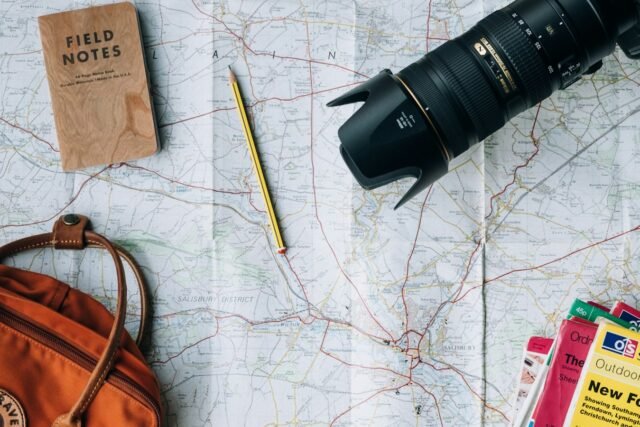
How to Plan a Road Trip on a Budget
A great road trip doesn't need a big budget. It needs a realistic route, a fuel estimate, and a cooler full of snacks.
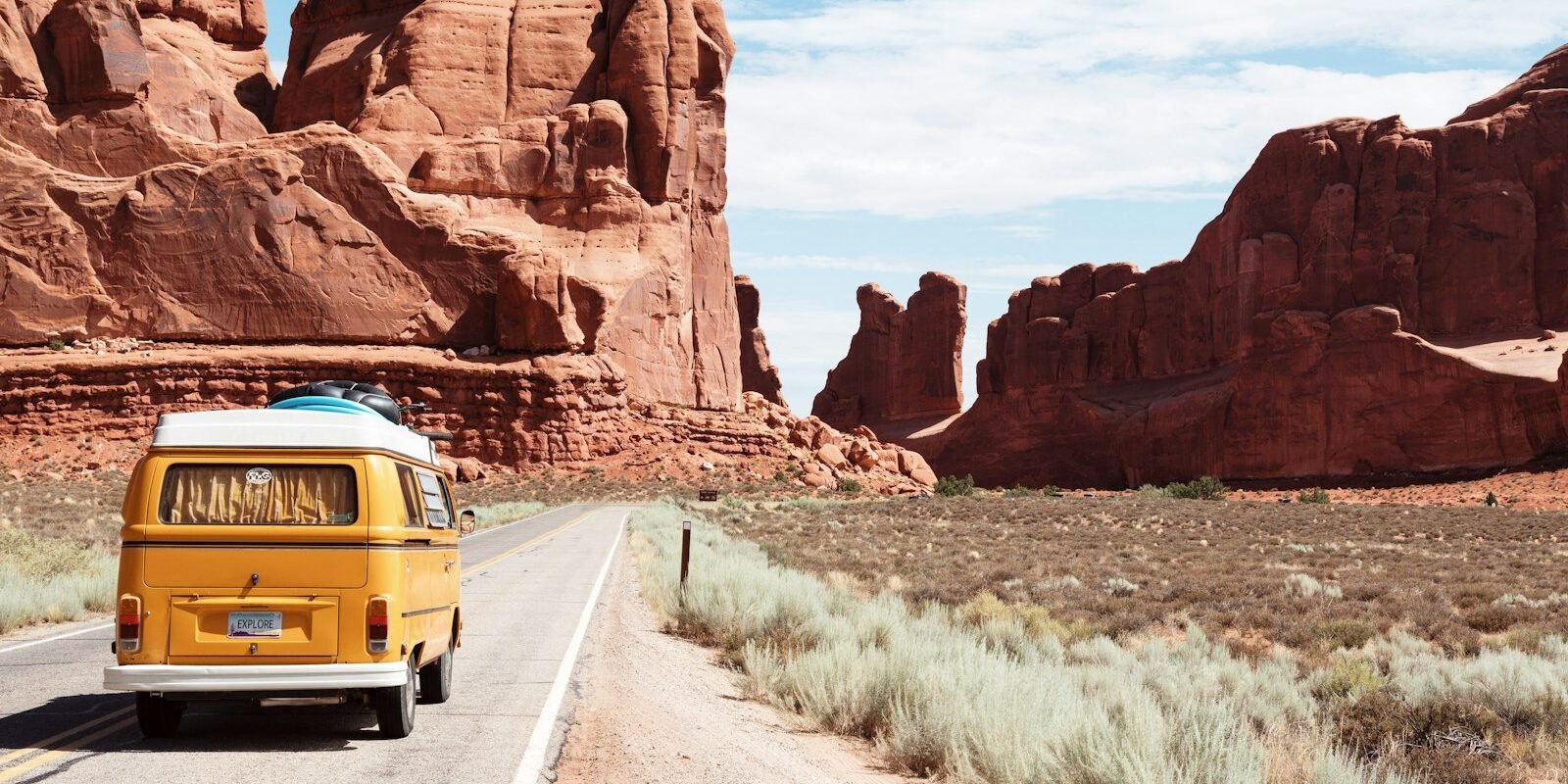
To plan a road trip on a budget, set a total spending limit first, estimate your fuel costs from your route and your car’s fuel economy, keep daily driving to a comfortable four to six hours, book affordable places to stay in advance, and bring food for the road. Fuel, accommodation and meals make up most of the cost, so saving on those three is where the real difference is.
Step 1: Set your budget
Decide on a total amount before you plan anything else. Then split it into categories: fuel, accommodation, food, activities and a buffer for surprises. A 10–15% buffer covers the unexpected — a tyre repair, a parking fine or a must-see attraction you didn’t plan for.
| Category | Share of budget (typical) |
|---|---|
| Accommodation | 35–45% |
| Fuel | 20–30% |
| Food | 20–25% |
| Activities and parking | 10–15% |
| Buffer | 10% |
Step 2: Map a realistic route
Use a mapping app to plot your route and total distance. Plan for four to six hours of driving a day — more than that, and you’ll spend your trip staring at the road. Add stops for fuel, food and rest every two hours. Route through places you actually want to see rather than taking the fastest motorway everywhere.
Step 3: Estimate your fuel costs
Use this formula: total distance ÷ your car’s fuel economy × fuel price = fuel cost. For example, a 1,200-mile trip in a car that averages 30 miles per gallon uses 40 gallons. At $3.50 a gallon, that’s $140. Add 10% for detours and city driving. Fuel price apps help you find the cheapest stations along your route.
Step 4: Find cheap places to stay
- Camping — state and national park campgrounds are often the cheapest option with the best views.
- Budget motels and chain hotels — book in advance or use apps for last-minute deals.
- Holiday rentals — good value for groups or longer stays with a kitchen.
- Friends and family — route through places where you know someone.
- Loyalty points — hotel or credit card points can cover a night or two.
Step 5: Save on food
Eating out three times a day adds up fast. Pack a cooler with sandwiches, fruit, snacks and drinks. Buy groceries at supermarkets rather than petrol stations. Have one proper meal out a day as a treat — often lunch, when menus are cheaper. A refillable water bottle saves money and plastic. Our guide on how much water to drink is handy on long hot drives.
Step 6: Get your car ready
A breakdown is the fastest way to blow a road trip budget. A week or two before you leave:
- Check tyre pressure and tread, including the spare.
- Top up oil, coolant, brake fluid and windscreen washer fluid.
- Test lights, brakes and wipers.
- Get a service if one is due.
- Pack a basic kit: jump leads, torch, first aid kit, phone charger and water.
If you’re renting, compare prices across companies, avoid airport pick-ups when you can (they often cost more) and check what your credit card or existing car insurance already covers before buying extra insurance.
Step 7: Plan free and cheap activities
- Hiking trails and scenic viewpoints.
- Beaches, lakes and parks.
- Free museums and galleries, often on specific days.
- Local markets and festivals.
- National park annual passes, which can pay for themselves in a few visits.
10 quick road trip money-saving tips
- Travel in shoulder season for cheaper stays.
- Share driving and costs with friends.
- Fill up before entering tourist areas, where fuel costs more.
- Drive smoothly — steady speeds use less fuel.
- Remove roof boxes when you don’t need them.
- Download offline maps to avoid data charges.
- Use cashback or rewards cards for fuel.
- Book accommodation with free parking.
- Check toll costs and consider alternate routes.
- Track spending daily so you notice early if you’re over.
Download before you go: offline maps, playlists and podcasts. Mobile signal disappears in exactly the most beautiful places.
Packing for a road trip
You have more space than on a plane, but packing light still makes life easier when you’re moving every day. Pack a small overnight bag with one day’s essentials so you don’t need to unload the whole car at each stop. Our carry-on packing checklist works well as a base.
Stay safe on the road
Take a break every two hours, swap drivers if you can, and never drive when drowsy. Share your route with someone at home. Keep emergency numbers and your insurance details handy. The US National Highway Traffic Safety Administration has a useful road trip safety checklist.
Flying part of the way? See our guide on how to find cheap flights — a fly-drive trip can save days of driving.
Frequently asked questions
How much does a road trip cost?
It depends on distance, accommodation and food choices. Fuel, lodging and meals usually make up most of the cost.
How do I calculate fuel for a road trip?
Divide the total distance by your car’s fuel economy, then multiply by the fuel price. Add about 10% for detours.
How many hours a day should you drive on a road trip?
Four to six hours a day is comfortable for most people, with breaks every two hours.
What is the cheapest way to stay overnight on a road trip?
Camping at public campgrounds is usually the cheapest, followed by budget motels booked in advance.